Enkhuizen: A historic fortress town
The fortifications of Enkhuizen: centuries of building a safe town
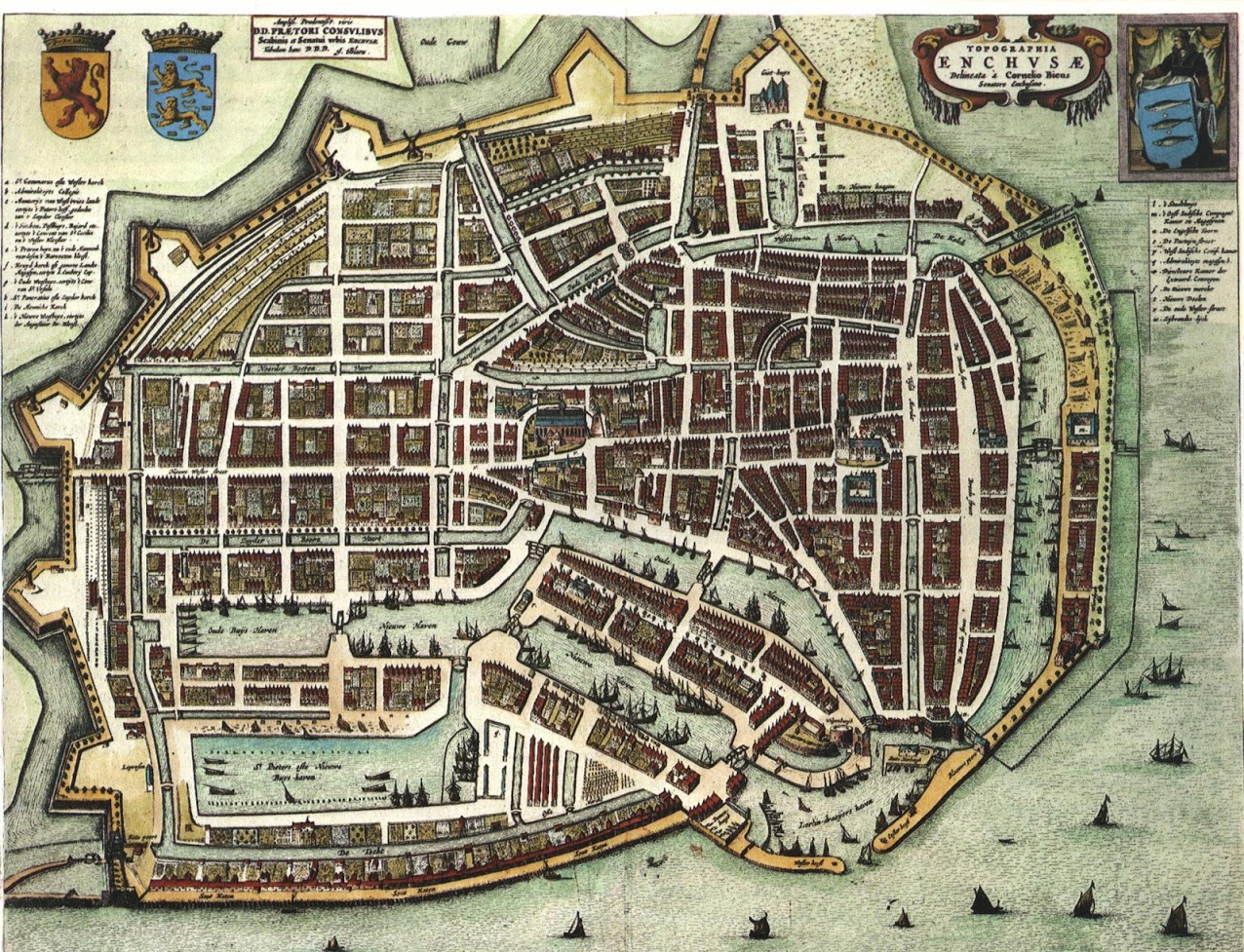
A walk along the Vest today reveals a green belt of ramparts and canals surrounding the historic town centre. These fortifications have shaped the appearance of Enkhuizen for centuries. Their story, however, begins much earlier, with a tower that disappeared from the townscape long ago.
The English Tower
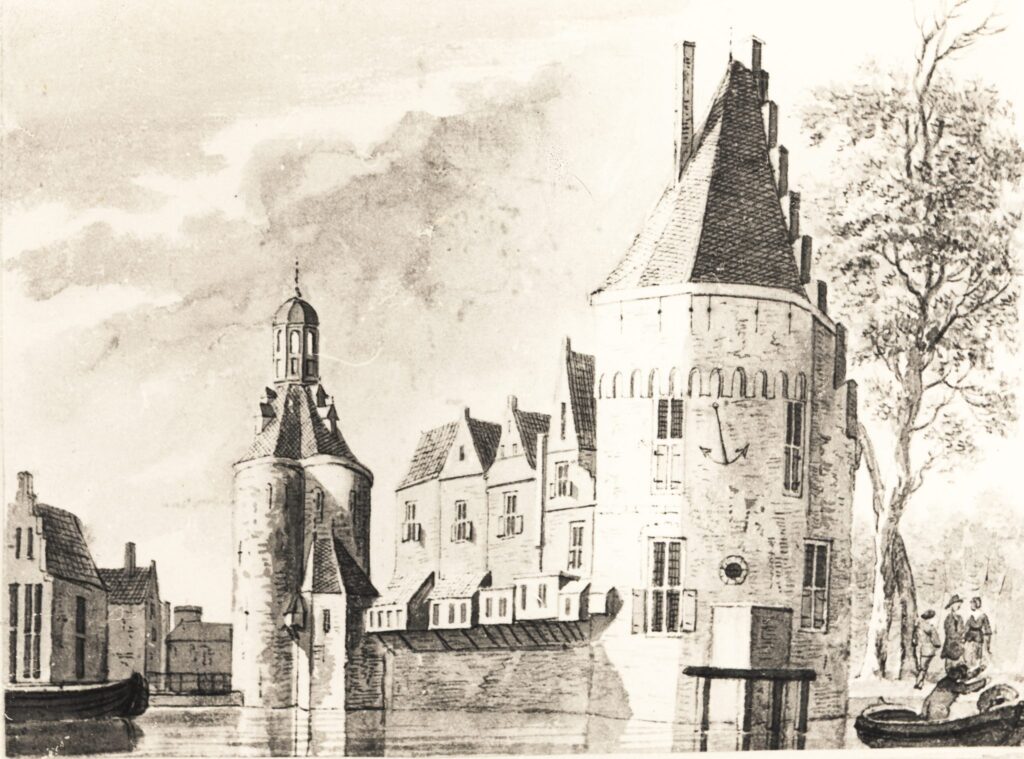
The history of Enkhuizen’s defences begins in 1396 with the construction of the English Tower (Engelse Toren). It stood at the end of De Bocht, near Breedstraat. The tower was built during a period when the Counts of Holland were campaigning against Friesland, and Enkhuizen served as a military base.
From 1602 onwards, the tower took on a completely different role. The Enkhuizen Chamber of the Dutch East India Company (VOC) used the building as its office. As the VOC expanded in Enkhuizen, the Chamber moved less than thirty years later to a larger building on Wierdijk. The English Tower, also known as the East India Tower, was then leased to an innkeeper. Eventually, the tower was demolished in 1829.
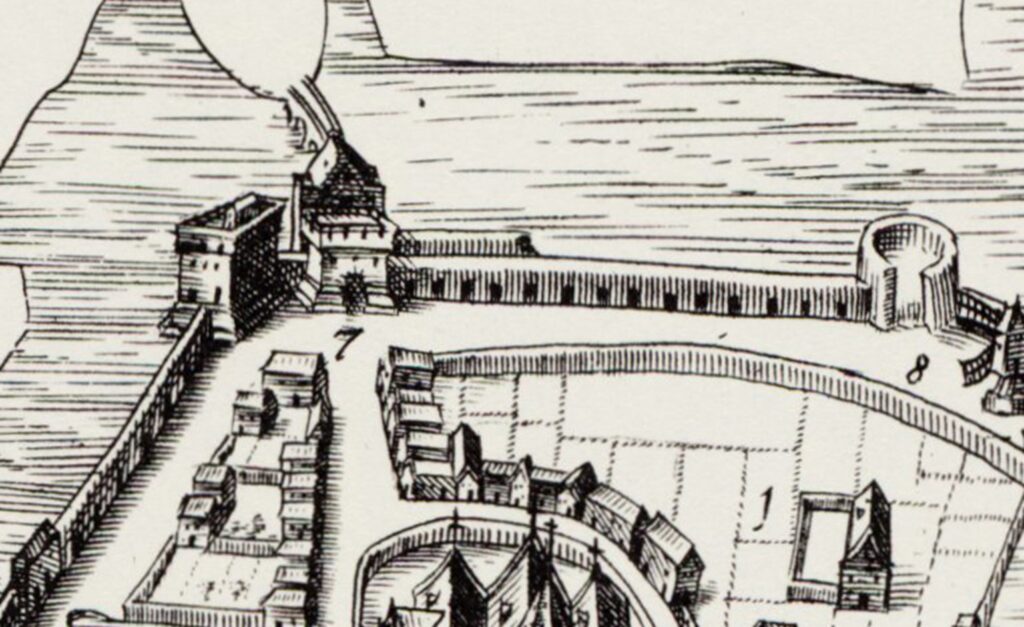
From city wall to fortress
Following the construction of the English Tower, the first short earthen ramparts and four city gates were built. It was not until 1530 that work began on a complete city wall surrounding Enkhuizen. This was an expensive undertaking. Because of the soft West Frisian soil, the entire wall had to be supported on timber piles. The final section was completed forty years later, in 1570.
The wall soon became obsolete. Advances in heavy artillery made brick city walls increasingly vulnerable. The armies of Philip II and the Duke of Alba possessed cannons capable of breaching such walls with relative ease. As a result, the city wall was dismantled again by the end of the sixteenth century.
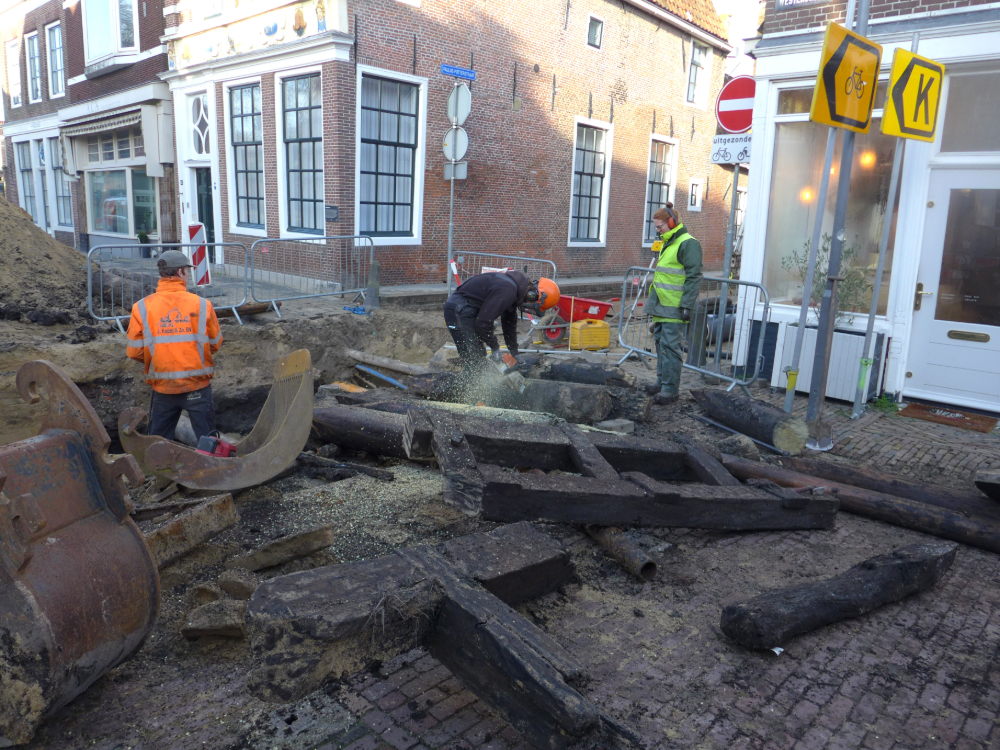
Remains of the city wall
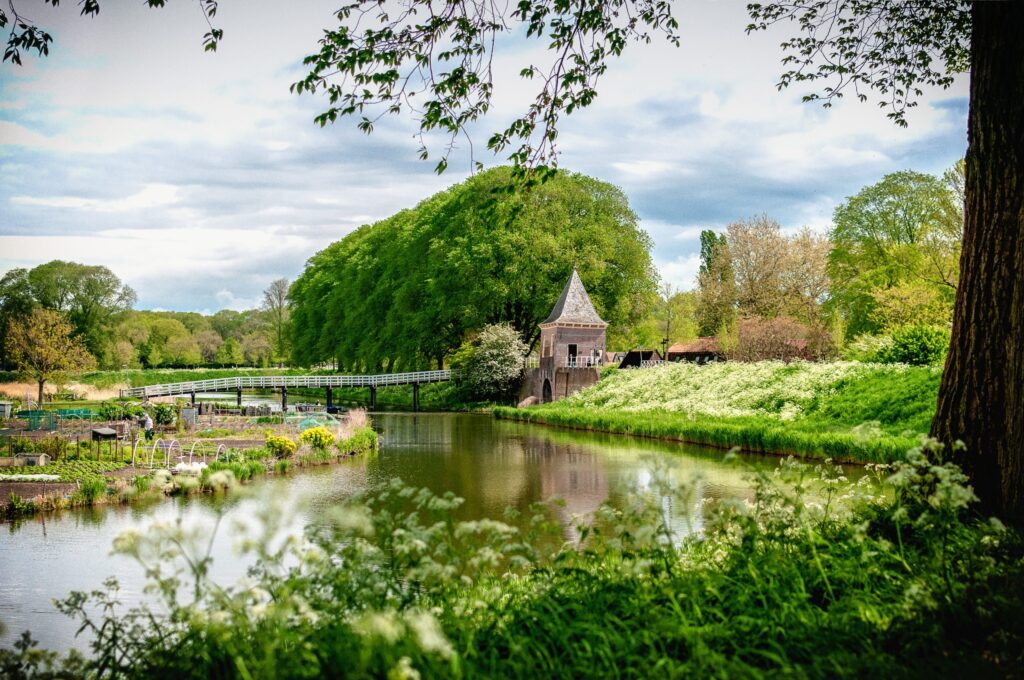
Only a small part of this medieval wall survives today: the lower half of the Drommedaris. The remainder lies hidden beneath the town. Archaeologists still regularly uncover sections of its foundations, for example during work at the corner of Westerstraat and Paulus Potterstraat, where the remains of the former Westerpoort were discovered. The Oude Gracht and the area known as Spaans Leger also mark the boundary of medieval Enkhuizen.
A new fortress for a growing town
On 15 September 1596, the town’s burgomasters and council concluded that Enkhuizen had outgrown its existing boundaries. Economic prosperity had created a shortage of harbours, warehouses and housing, while a modern defensive system had become increasingly necessary.
As early as 1579, the States of Holland had appointed military engineer Adriaen Antonisz to modernise the fortifications throughout Holland and Zeeland. He also designed Enkhuizen’s new fortress according to the Old Dutch System (Oud-Hollands Stelsel). Instead of high stone walls, he chose broad earthen ramparts that were far better able to withstand the increasingly powerful artillery of the time.
The Vest was preserved
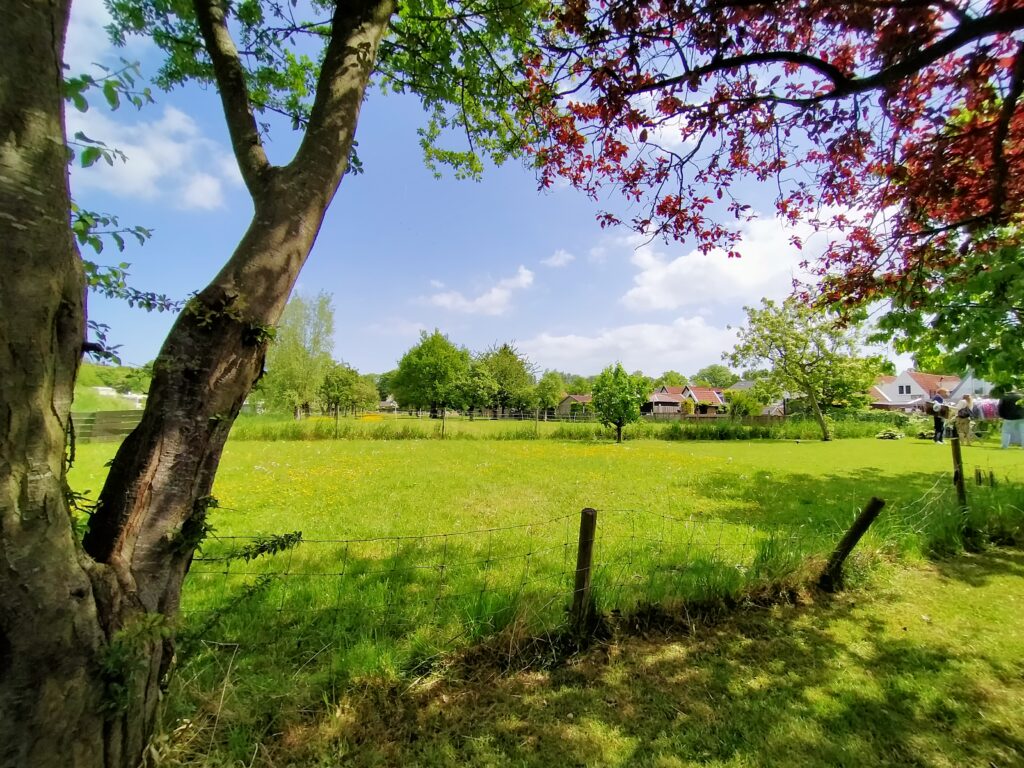
While many Dutch towns demolished their fortifications during the nineteenth and twentieth centuries to allow for urban expansion, Enkhuizen’s Vest remained largely intact.
It was not until the 1960s that the need arose to expand beyond the historic town boundaries. Fortunately, by then the value of the historic fortifications was already widely recognised. The new residential district of Plan Noord was developed outside the Vest. Urban planner Ir. E.F. (Elze) van den Ban played an important role in this process. She advised preserving the Schootsveld as a green transition zone between the historic town and the new neighbourhood. Her recommendation was adopted.
Thanks to this decision, the ramparts and canals still form a green ring around Enkhuizen’s historic centre. Today, the fortifications are not only a tangible reminder of the town’s past but also one of its most distinctive and recognisable features.
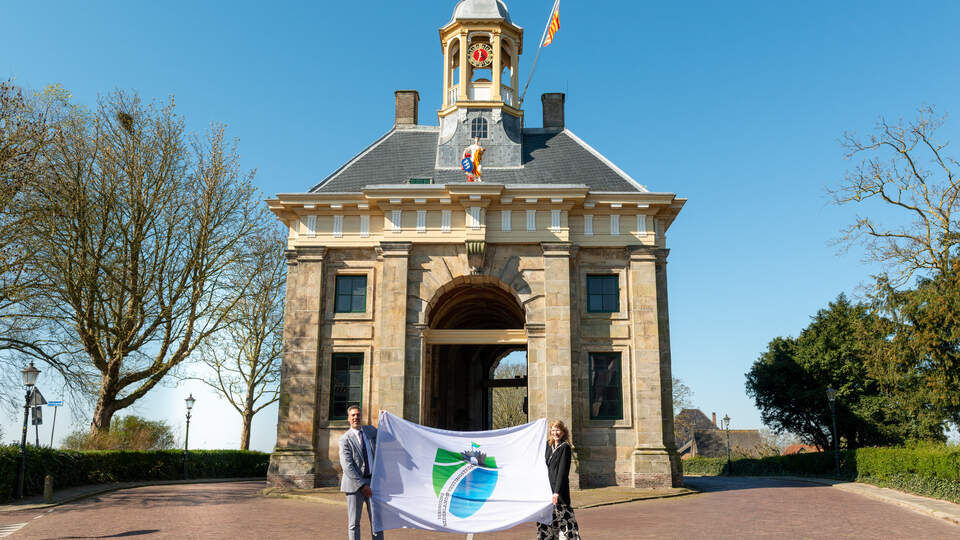
Association of Dutch Fortress Towns
Since 4 April 2025, Enkhuizen has officially been a member of the Association of Dutch Fortress Towns (Vereniging Nederlandse Vestingsteden – VNV). The VNV website features Enkhuizen alongside many of the Netherlands’ other historic fortress towns. Visitors will find information, walking routes, events and stories that keep the rich history of Dutch fortress towns alive.
Gerelateerde tips en informatie
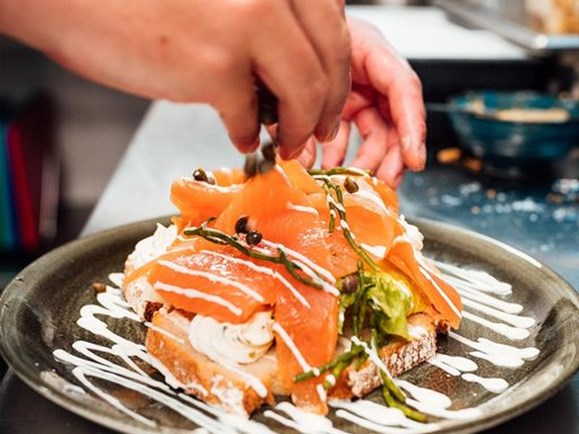
Delicious lunch in Enkhuizen
Did you know that you can also have a delicious lunch in Enkhuizen? An extended lunch or drinks during the day is a good idea, now that the hospitality industry will be closing earlier in the evenings in the near future. In the historic town center you will find many cozy restaurants and grand cafes. Stop by one of our catering establishments!
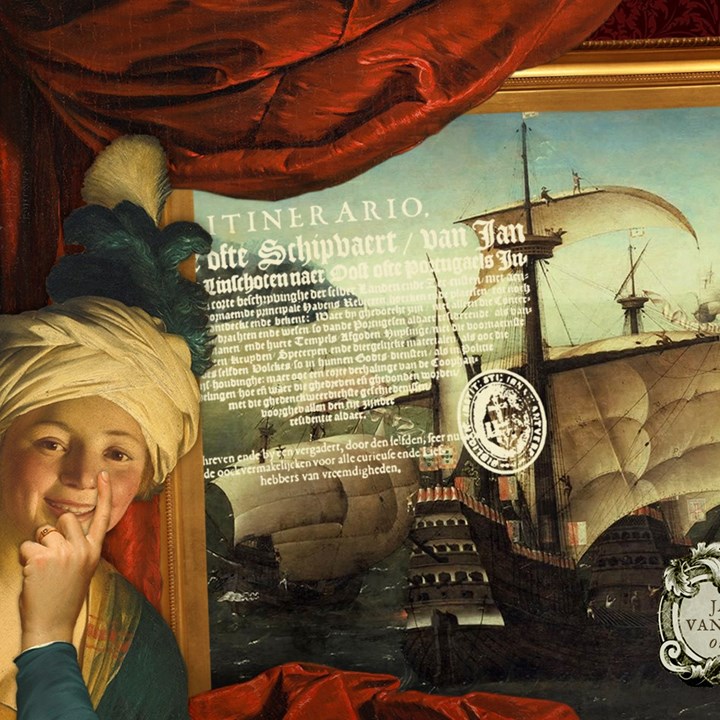
Discover the heroes and heroines of Enkhuizen
Discover the great heroes and heroines of the Golden Age. We all know the world-famous heroes, such as Bernardus Paludanus, Lucas Waghenaer and Jan Huygen Van Linschoten, but what was it like to be a sailor's wife in those days? Or an “ordinary man,” an average citizen?
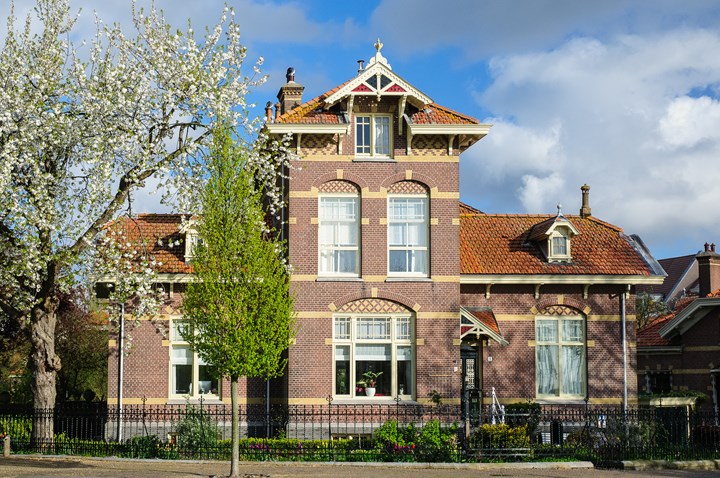
Spend the night in monumental greenery
The Snouck van Loosen Park's superintendent's house is currently occupied by Ingrid Mol and her family. Whether they still have the keys to all the homes in the park, you can ask them yourself. In fact, part of the villa is set up as a B&B. How chic is that?
Italian food in Enkhuizen
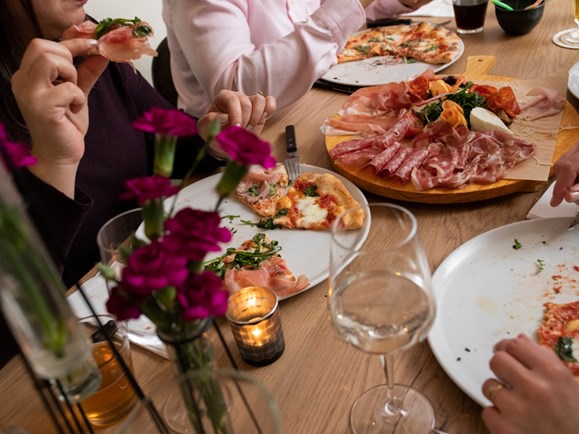
For many people, Italian food is a favorite. And that is not surprising, because Italians can make the most delicious meal you have ever tasted from just a few ingredients. In Enkhuizen, too, you can eat delicious Italian food.
National Outdoor Play Day
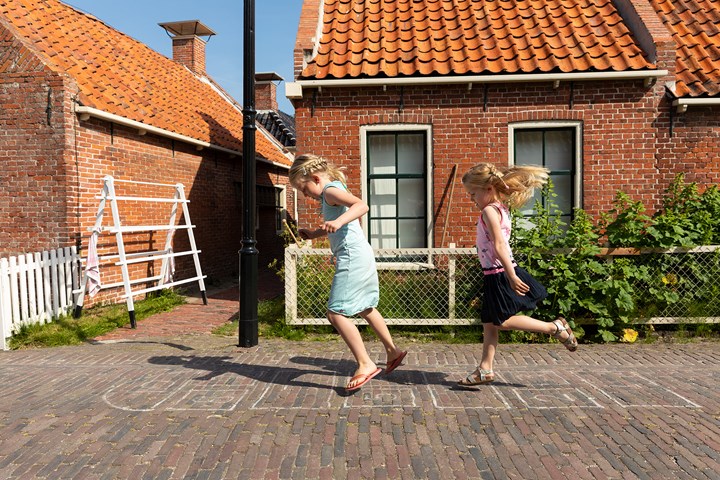
June 8 is National Outdoor Play Day, an initiative of Jantje Beton and Nickelodeon. Playing outside is super important, but is becoming less and less obvious. This is the afternoon we celebrate what is so important: playing outside! Will you join us? In Enkhuizen there is lots to do!
New: Bike route booklet Enkhuizen
In the new bike route booklet we have mapped out 6 beautiful routes for you. Varying in length. For each route we give a nice tip for getting off the bike. For the first 100 buyers we have a nice promotion!